
The festive season is more than frosty weather, roast dinners, and a bit of well-deserved time off. It’s also one of the most significant revenue moments of the year, because customers are rushing to tick off their winter shopping, Christmas lists, sale hunts, and end-of-year treats. As more people choose to shop from the comfort of their couch over malls that feel like the Tube at rush hour, online stores have a real opportunity to stand out.
At Float, we’ve seen over and over that small, well-considered shifts often outperform big, dramatic changes. The brands that win are those that pay attention to how people behave during this time and adjust accordingly. Here’s how to lean into those shifts and set yourself up for a stronger festive season.
1. Rewrite product descriptions for your bestsellers
If you want your products to feel relevant during the festive season, the fastest win is to rewrite how you describe them. During the festive season, people aren’t just browsing. They’re looking for items that match the mood they’re in and the moments they’re preparing for. If your products feel connected to that world, you naturally move into their consideration set.
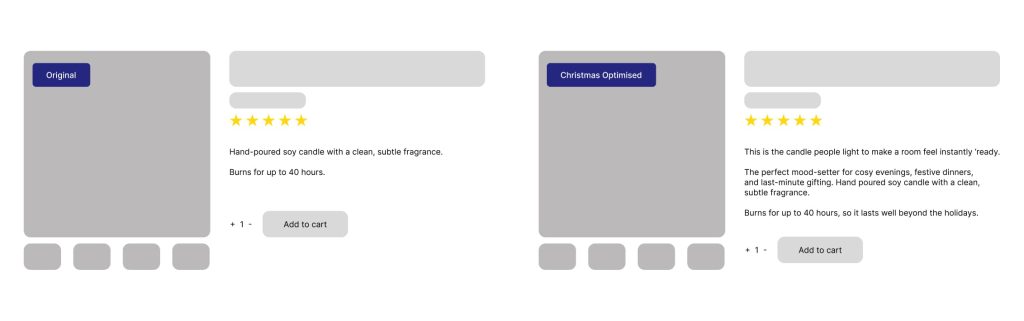
Now we’re not saying go and rewrite for every product. Your core products will make up a large percentage of sales, so focus on the top 10.
2. Make shipping and delivery clear
Holiday retail spend has been climbing steadily, with Visa reporting a 7% year-on-year increase and a 23.3% rise in online shopping during the same festive window. Even with this growth, cart abandonment remains high, and one of the biggest triggers is uncertainty around delivery. No matter how relevant your product is, if customers aren’t confident they’ll receive their order in time for key dates like Christmas, they’ll look elsewhere.
Clear shipping information gives shoppers something concrete to plan around. People want to know when their order will arrive, how much it will cost, and whether they have alternatives if the courier is delayed. When these answers are obvious, customers are far more likely to complete the order. When they aren’t, hesitation tends to grow.
A few straightforward adjustments go a long way:
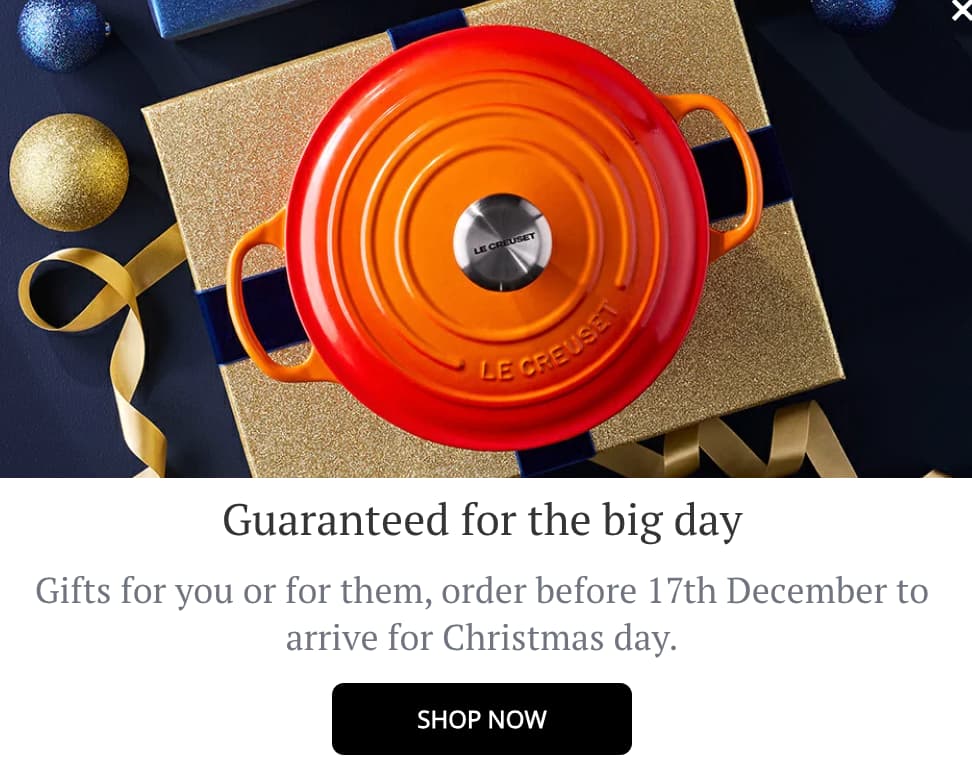
- Display an “Order by 15 December for pre-holiday delivery” banner or popup, even if it applies only to metro areas.
A simple, easy-to-build popup can also highlight delivery dates in a way that feels both useful and engaging. Clear signals like this build confidence and reduce hesitation.
- Offer a “collect in-store” option where possible.
- Be upfront about shipping costs and timelines, for example: “Free delivery over £50, or £3.95 flat rate. Delivery in 3–5 working days in London.”
- Highlight returns information alongside delivery details so customers feel reassured if something goes wrong.
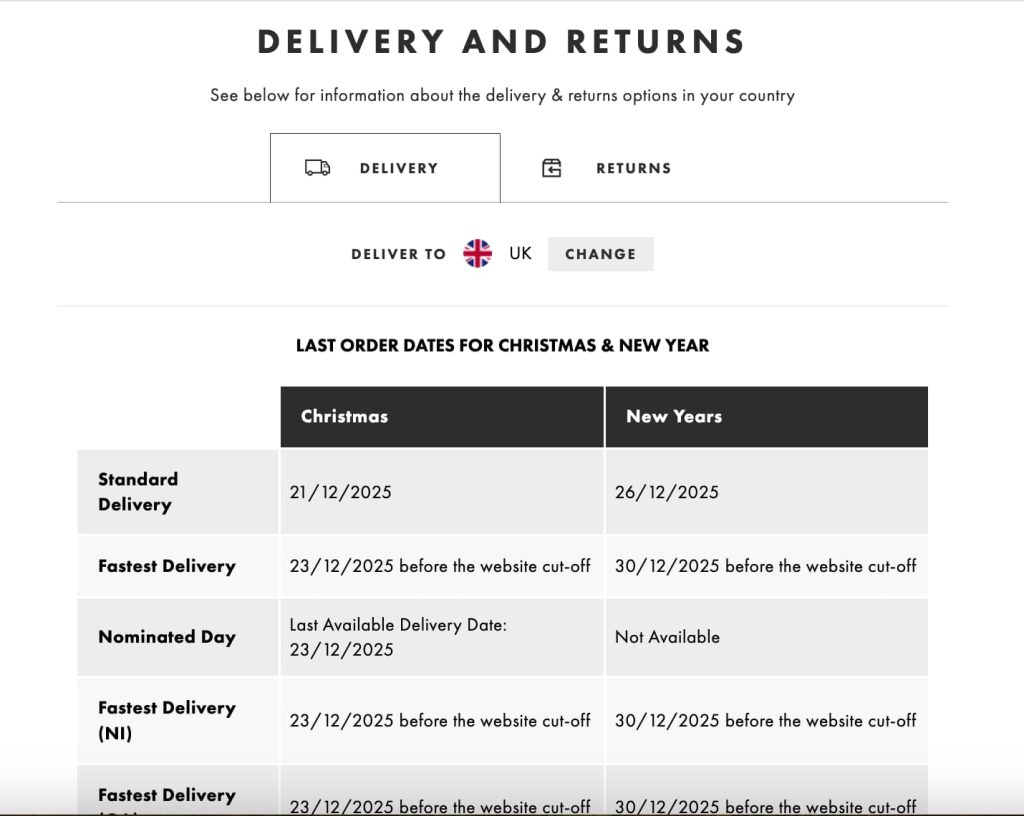
Clear delivery information does more than reduce uncertainty. It shows customers that you understand what matters to them during a high-pressure season and that you have taken real steps to support them.
3. Simplify returns and exchanges
When people start shopping for gifts, their behaviour often shifts. When we’re buying for someone else, there’s always some uncertainty around the size, the colour or whether the item will match their vibe. That uncertainty naturally slows people down, and that hesitation shows up directly in conversion rates. This is where a straightforward and uncomplicated returns process becomes a steady but powerful driver of sales.
A smooth return experience lowers the perceived risk. It reassures the shopper that even if the gift isn’t perfect, they’re not stuck with it. With an easy, hassle-free returns process, 92% of customers say they’ll buy from your store again.

According to Whistl, we’re “a nation of returners” with 71% of UK online shoppers return items at least some of the time and UK Fashion being the category with the highest % of returns (27%). Shoppers buy faster, more impulsively, and want reassurance that correcting a mistake won’t be complicated. When customers understand exactly how to return something, how long it will take and what it will cost, they are simply more willing to buy. Brands that make returns painless are the brands people trust. And during the festive season, trust turns into completed carts.
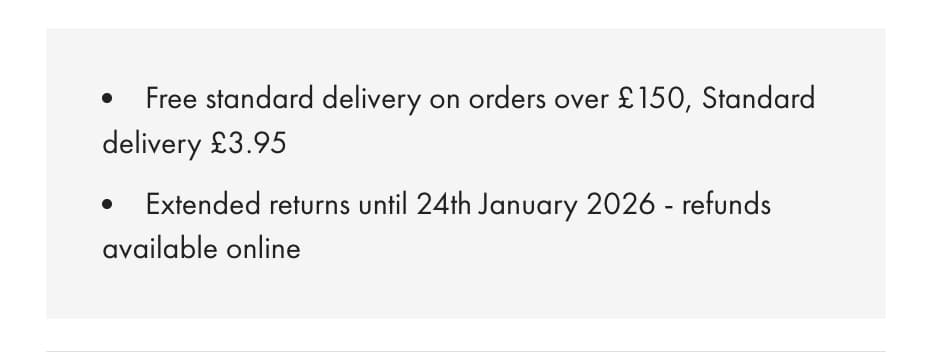
Ted Baker London shows the impact of this with an extended return period. Instead of pressuring shoppers, they create space. Customers feel reassured that if a gift is not quite right, they have time to change their minds. That peace of mind drives sales.
4. Create Gifting Bundles or Collections
Instead of just showing products, create clear, guided shopping experiences that reduce decision fatigue and increase impulse buys. During the festive season, shoppers are overwhelmed, and giving them a shortcut to the “perfect gift” can dramatically increase sales.
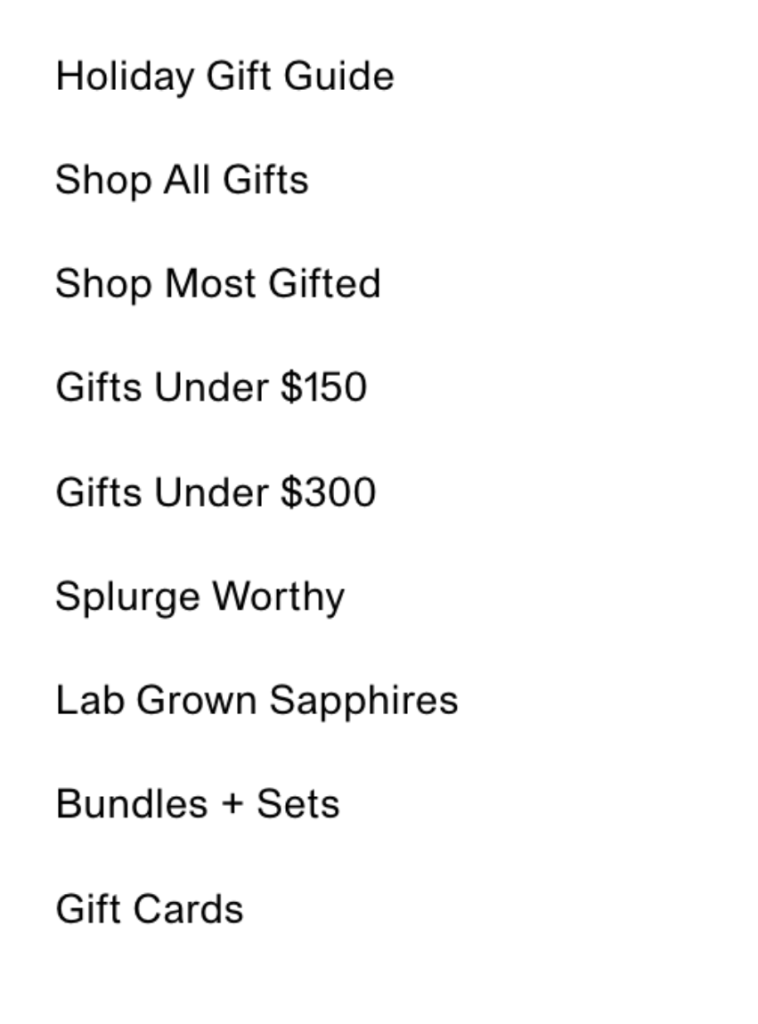
Mejuri is a great example here. Their gift guide landing page and sub-collections are clean, intuitive and supported by clever copy. They are a larger brand with strong UX and website practices, so that they can invest in multiple curated gift paths. Smaller brands do not need to replicate everything. One well-considered holiday collection may be all you need, as long as it helps shoppers find what they are looking for quickly.

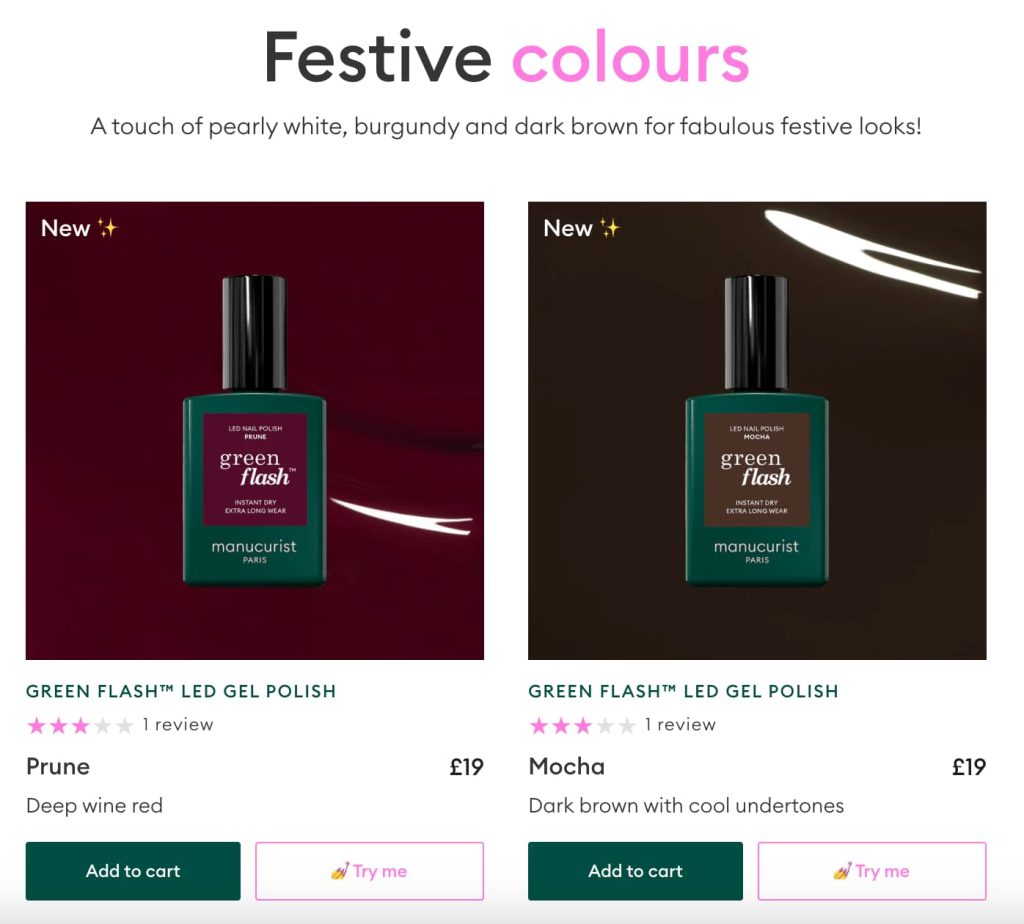
Manicurist used Christmas as a moment to spotlight nail polish shades perfect for the festive season. By narrowing down the options for shoppers, they removed the decision fatigue and made the whole shopping experience a lot easier.
5. Seasonally refresh your homepage and visuals
You don’t need a complete redesign to feel relevant during the festive season. What matters most is alignment. If your visuals, messaging, and layout match the mood people are in, your site feels intentional rather than out of sync or irrelevant.
Le Creuset does this well. Their festive messaging is simple and strong, tying their products to moments that define the season, such as gift-giving, joy, and shared memories.

This principle holds across many seasonal campaigns. Even a slight visual shift on the homepage can change how quickly a visitor understands the occasion your brand is speaking to. Something as simple as swapping a neutral hero image for a festive scene that feels recognisable, like a snow-dusted street or a family roast dinner, can instantly make your site feel more in tune with how people experience this season. Pair that with a clear headline that encourages early holiday shopping, and you create a more natural entry point into your store.
The reason this works is simple. Festive season here means snow, family time, holidays, and colourful decorations. Yet many brands still default to generic visuals that don’t reflect that reality. When the imagery matches the mood, the site feels relevant.
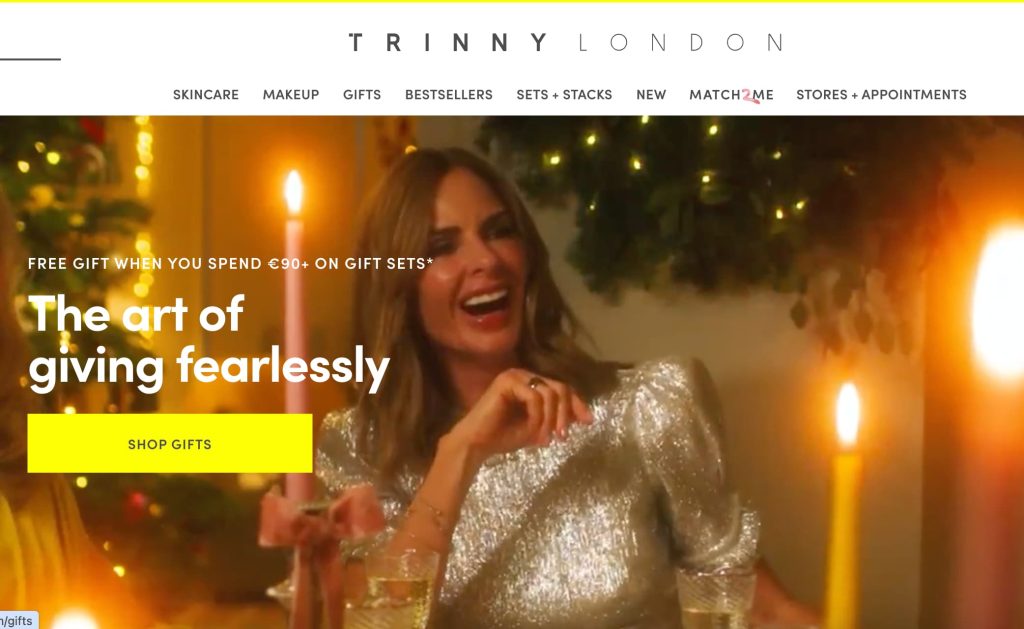
Trinny London leans into unpolished, raw and real imagery, often starring Trinny herself. It feels like you have been invited directly into the Christmas party. It takes a high-end brand and makes it feel authentic, human and more approachable for shoppers.
Yes, it is carefully styled, but John Lewis uses imagery and copy that speak directly to the consumer. The visuals feel organic, almost as if a shopper wrapped the gifts themselves. The copy feels like a conversation with the person browsing the site. Small but meaningful shifts like these make the brand feel warmer, more human and more in tune with how people shop during the festive season.
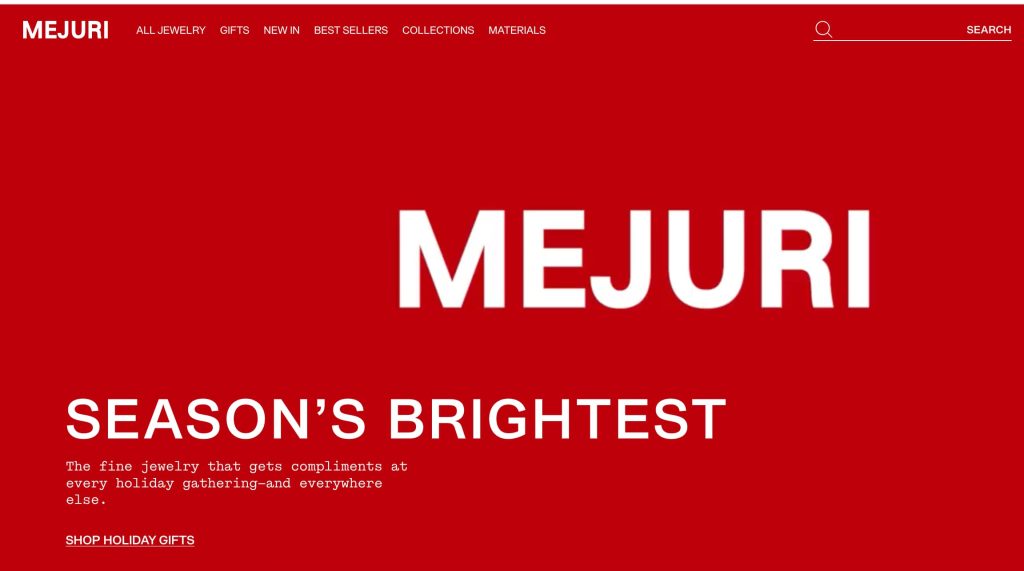
Mejuri’s festive hero shows how simple design can still feel seasonal. The red background and ribbon graphic create an instant holiday cue while keeping the look clean. The headline is confident, and the copy is focused on real festive moments. It is a reminder that you do not need a complex campaign. A substantial colour shift and a clear message can make your homepage feel festive and relevant.
Quick Wins for Festive Sales
The festive season is no longer a short, concentrated burst. People plan sooner, compare more and expect brands to feel relevant the moment they land on your site. Consistency matters just as much as timing.
The good news is that you don’t need to overhaul everything; small shifts often have the biggest impact. When your messaging, visuals, returns process and product framing reflect how people shop during this season, you make it easier for them to make decisions. And when you do that, you build trust that leads to more sales.
Instead of focusing on dramatic changes or festive overhauls, make sure you understand the small changes that align with how people shop this time around. Once you know the mindset they’re in, shaping your e-commerce store around it becomes straightforward.